EN
EN Français
 العربية
 Nederlands
 Deutsch
Fidya: Who Must Pay It and How Is It Calculated?
Fidya compensates a missed fast for a legitimate reason by feeding someone in need. Who it concerns, how to calculate it, and how TreeDon distributes it.
« ...and upon those who can only bear it with great difficulty is a ransom: feeding a poor person. »
Équipe TreeDon
TreeDon editorial team
Listen to this article
A voice reads the article aloud and highlights each word in gold, so you can follow the text as you listen.

Fasting during Ramadan is an obligation for every Muslim able to perform it. But Islam provides a merciful way out for those who, permanently, cannot: the Fidya.
1What is Fidya?
Fidya is a compensation paid for each missed day of fasting, when a person is unable to fast now or ever in the future, permanently. It consists of feeding a person in need for each day not fasted.
2Who must pay Fidya?
Fidya concerns the elderly and the chronically ill whose condition will no longer allow fasting, even in the future. It differs from Qada (making up the days later), which concerns temporary impediments — passing illness, travel, pregnancy or breastfeeding — for which missed days are made up as soon as possible, with no Fidya due.
"...and upon those who can only bear it with great difficulty is a ransom: feeding a poor person." (Quran, 2:184)
3How is the amount calculated?
The amount traditionally corresponds to the price of a full meal for a person in need. TreeDon sets this amount at €5 per missed day of fasting, to cover the real cost of the meal distributed.
4How TreeDon distributes your Fidya
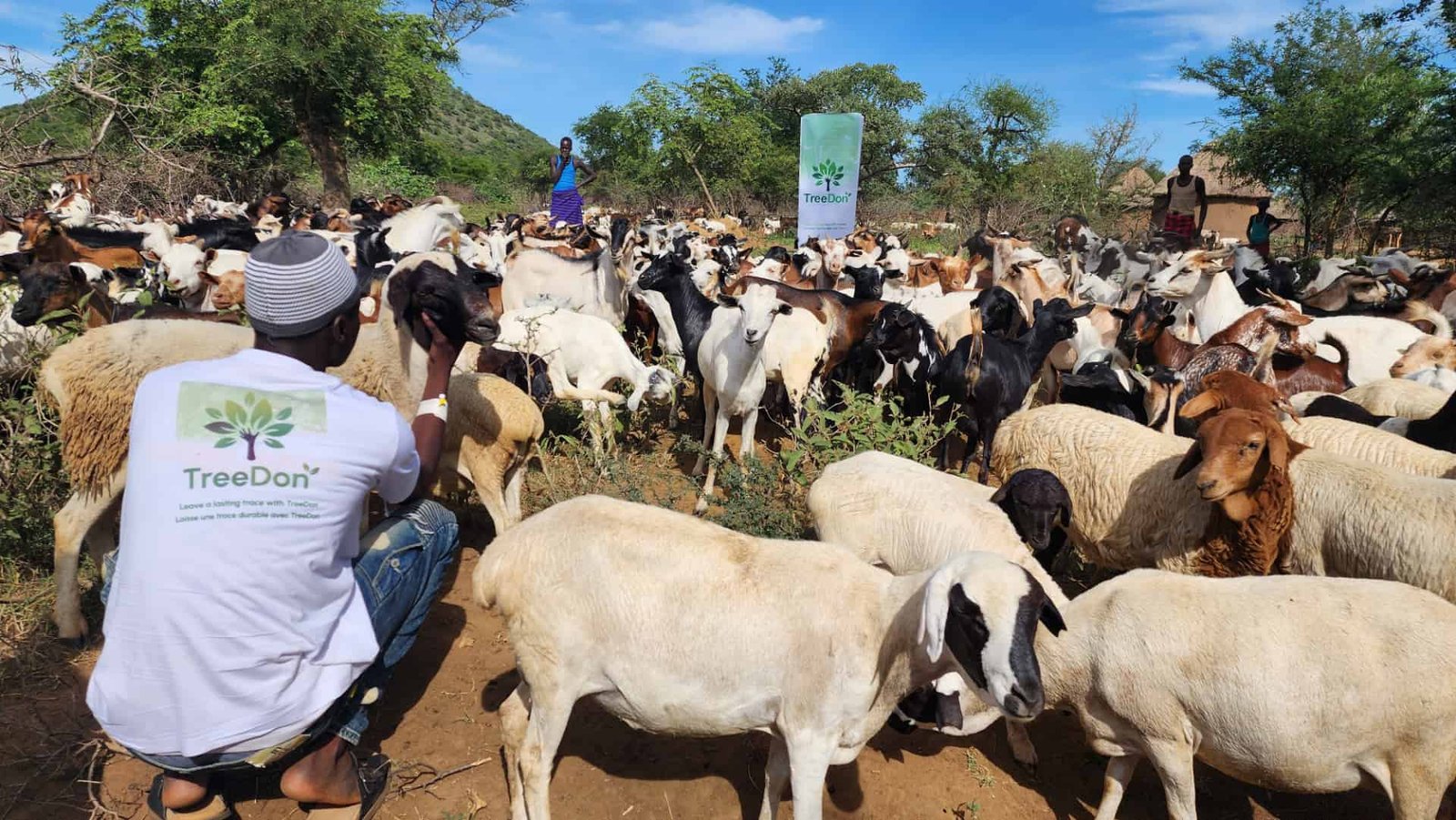
Simply indicate the number of missed days: your donation is fully converted into meals and distributed to families in need. A simple, direct way to fulfill this obligation while concretely helping the most disadvantaged.